Solution
Electricity generation was once considered outside the scope of core business operations. Advances in solar PV and battery storage have changed that, giving organisations across every sector the means to produce their own power on-site. As we’ve explored before, energy is no longer just a utility it’s a strategic risk, and rising electrification (EV charging, heat pumps, automation, IT loads) is only increasing businesses’ exposure to it. Against that backdrop, on-site generation is one of the most effective ways to turn volatility into resilience.
But the real solution isn’t generation alone. It works in two parts, and both need to be in place to deliver the greatest value.
Generate Your Own
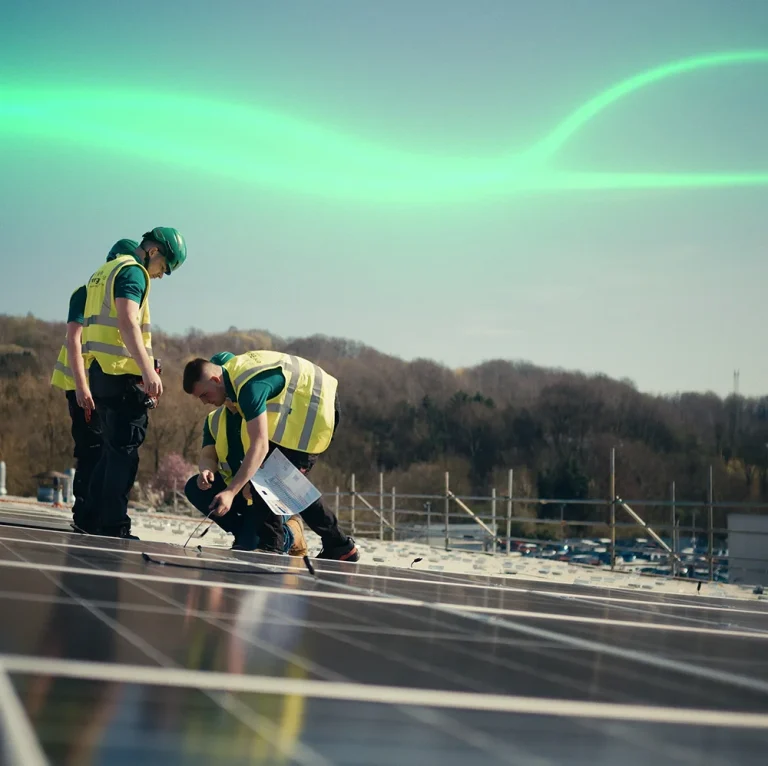
If you have premises, the chances are you can generate your own power. Solar PV remains the most reliable and scalable route to reducing grid dependency, and UK businesses are on board. 2025 was the strongest year on record for solar deployment, with 269,000 installations completed and 255,000 of those (i.e. 95%) on rooftops across homes, businesses and public buildings.
Done well, on-site generation reduces imported consumption, lowers operating costs, improves sustainability performance and cuts carbon emissions, all while building long-term cost certainty against a still-volatile wholesale market. Complete independence from the grid is rarely realistic, but generating a substantial share of your own power meaningfully insulates your business from sudden tariff spikes.
The Role of Battery Storage
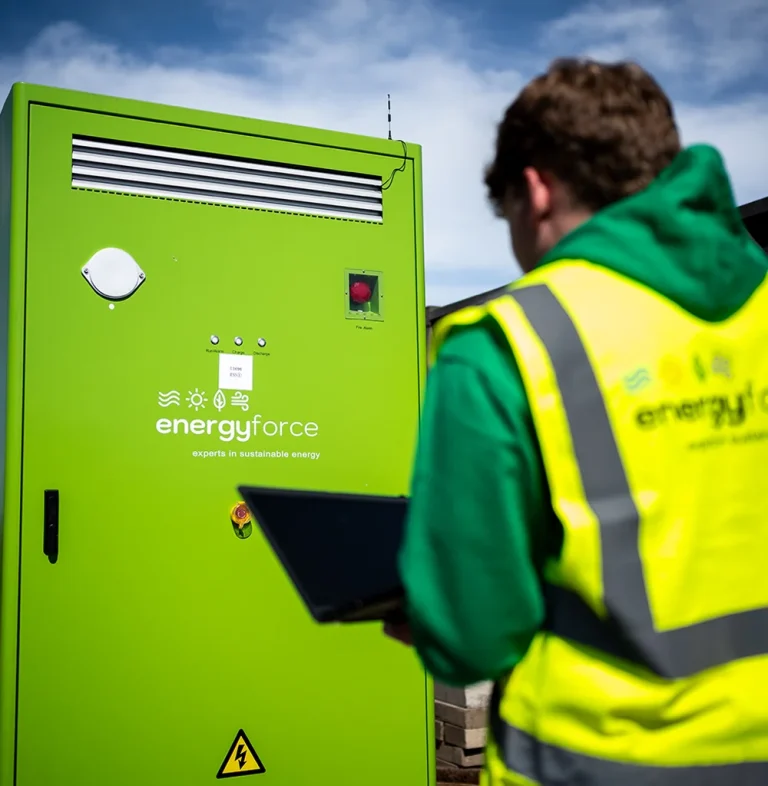
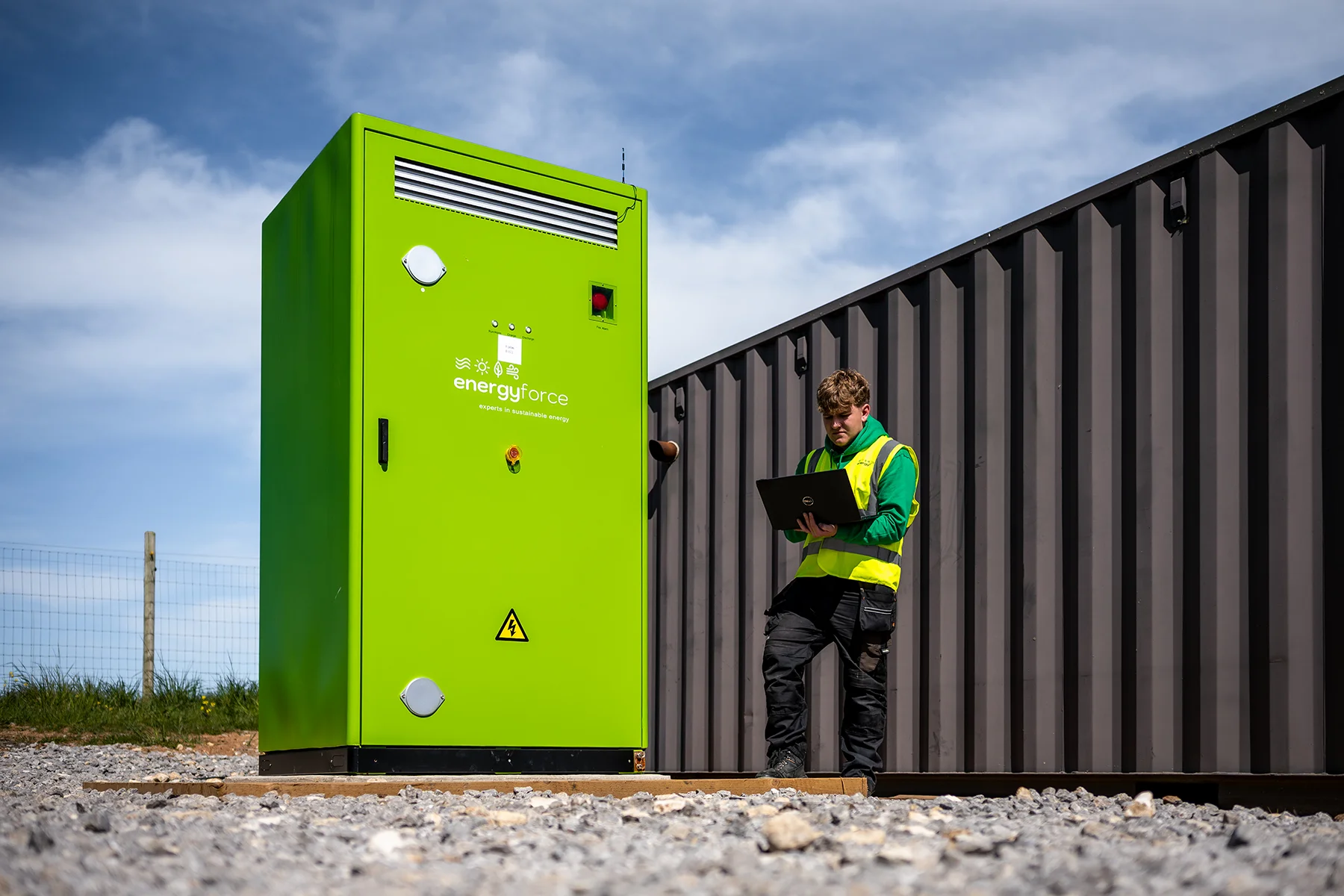
Generation only solves half the problem, though. As you may be aware, the primary “argument” you’ll likely hear is that solar and wind are intermittent. The sun isn’t always out, the wind isn’t always blowing, and peak output rarely lines up with peak demand. Battery Energy Storage Systems (BESS) close that gap by capturing surplus energy and distributing it when your site needs it most, while also reducing peak demand, lowering capacity charges and improving overall load management.
Batteries used to be treated as passive: backup for outages, or a way to store spare solar energy. That changed in November 2024, when Ofgem’s P415 modification came into force, allowing behind-the-meter battery assets to access wholesale markets directly. Businesses can now charge when power is cheap (or free, from their own generation) and sell stored energy back to the grid when prices spike, turning a static asset into an active, revenue-generating one. As network charges and time-of-use tariffs keep climbing, that shift is a genuine competitive advantage, and one that supports fixed-price procurement strategies rather than undermining them.
Make Energy Work for You
The two parts make the whole. Together, generation and storage do more than cut bills. They hand you a demand profile you control, cost certainty you can plan around, and infrastructure that earns rather than just protects. As a combined solution, it is a practical answer to the question every facility and energy manager is now asking: how do we make energy work for us, not against us?