Ask most businesses what’s holding back their next infrastructure investment, and they’ll point to budgets or equipment. Both matter, but one constraint is often overlooked: capacity. The amount of power your site is allowed to draw from the grid is, for many businesses, the real limiting factor.
Your agreed supply capacity was probably set years ago and may not have been reviewed since. Yet it now determines what you can and can’t electrify. With EV chargers, heat pumps and new machinery all demanding more, it deserves the same long-term planning as your property or your fleet.
The Queue Has Moved to Demand
For years, the grid connection story was about wind and solar farms waiting to connect. Now it’s about businesses that need to draw more power.
According to Ofgem, contracted demand connection offers rose from 41GW to 125GW between November 2024 and June 2025. That is almost three times the UK’s 2025 peak demand of 45GW, and data centres account for around 73GW of it.
A dealership or depot isn’t a data centre, but it draws on the same substations and the same engineers. When the queue triples, everyone feels it.
The Rules Are Tightening
Regulators are responding, and the main change concerns what’s expected of applicants. In short, you need a solid case for additional capacity.
Since 1 June 2026, demand applications of 5MVA or above to a distribution network have required more evidence up front, including a letter of authority, heads of terms for the land, a site plan and a project timeline. Speculative “just in case” applications are no longer viable.
In September, Ofgem set out plans for network operators to make “ambitious yet achievable” connection offers, with clearer detail on firm and non-firm options and on which works an independent provider can deliver. From April 2028, the next distribution price control makes “build and flex” the default: network operators must show they’ve made the most of existing capacity before building more.
Capacity will go to those who can prove they need it and who have made full use of what they already have. Here’s how to be one of them.
Start With What You Already Have
Before asking for more, establish how much you actually use, and when.
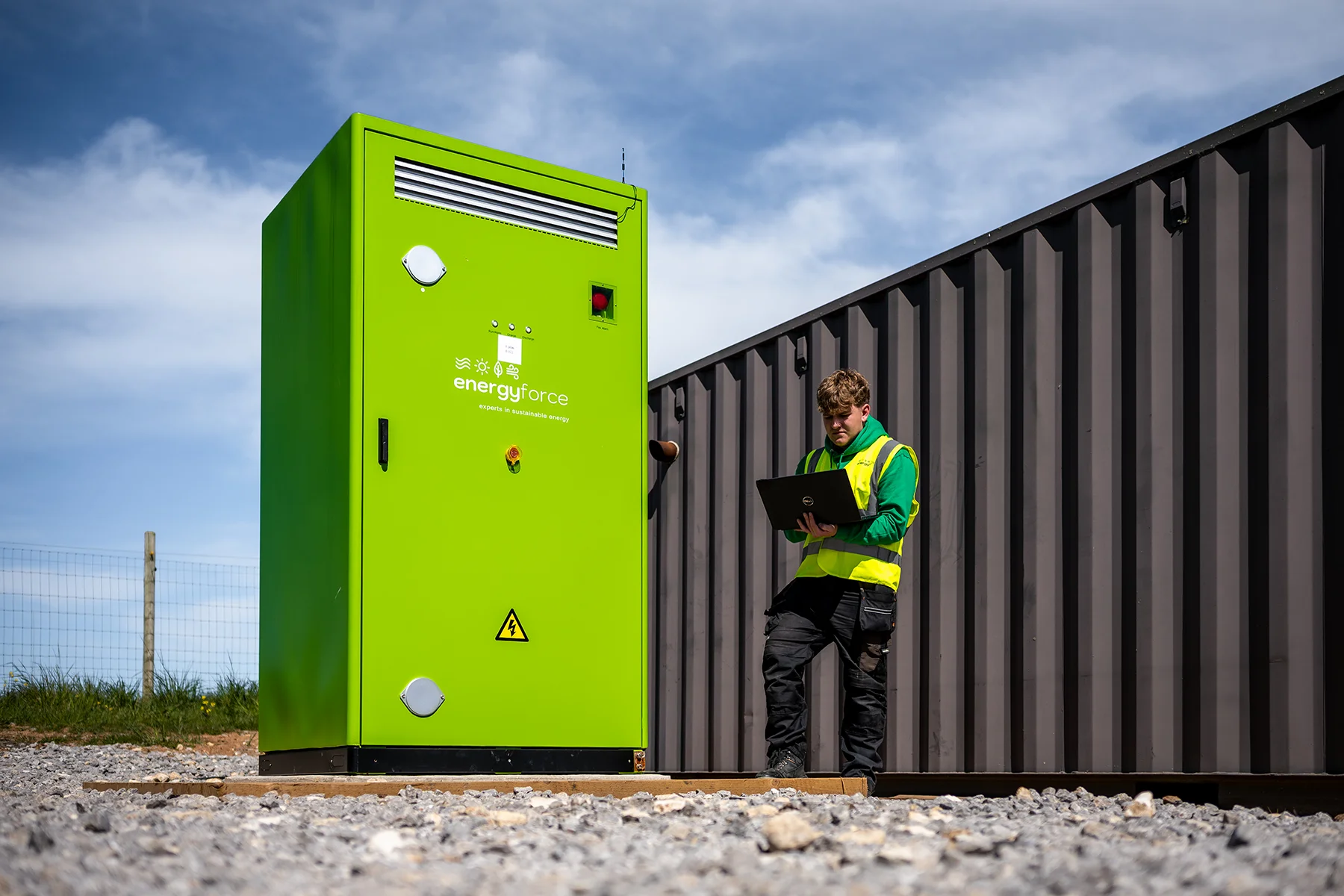
Many sites sit close to their limit for only an hour or two a day and well below it the rest of the time. Half-hourly data from an energy management system shows your true peak, what’s driving it and how much headroom remains. In our experience, the data sometimes shows that an upgrade isn’t needed at all. Smarter charging schedules or battery storage can flatten the peak and free up room to grow within the connection you already pay for, avoiding the cost and delay of a new application.
Where an upgrade is needed, the same data makes for a stronger application: a right-sized request, backed by evidence, with a realistic timeline. Measure first, then plan.
Think in Years, Not Projects
Most businesses apply for capacity one project at a time: six chargers this year, a heat pump next, each with its own application and its own wait. A better approach is to map what the site will need over the next five to ten years and plan the connection once, in phases if needed.
For groups, a multi-site audit shows which locations have headroom, which are constrained and where to invest first.
Treating the connection as a long-term asset makes each development more likely to proceed without delays, additional works or extra cost.
Your grid connection will outlast most of the equipment plugged into it.